
07 Sep Your Brain Is Not Rooting for You to Feel Joy
I wrote a book called Finding Your Joy Spot, all about joy and how it shows up in the most unexpected places, and how those moments, when we pay attention to them, guide us toward a deeper knowing of what actually matters to us.
What I did not fully understand until recently is why those moments matter so much neurologically, and why we are so reliably bad at connecting to them.
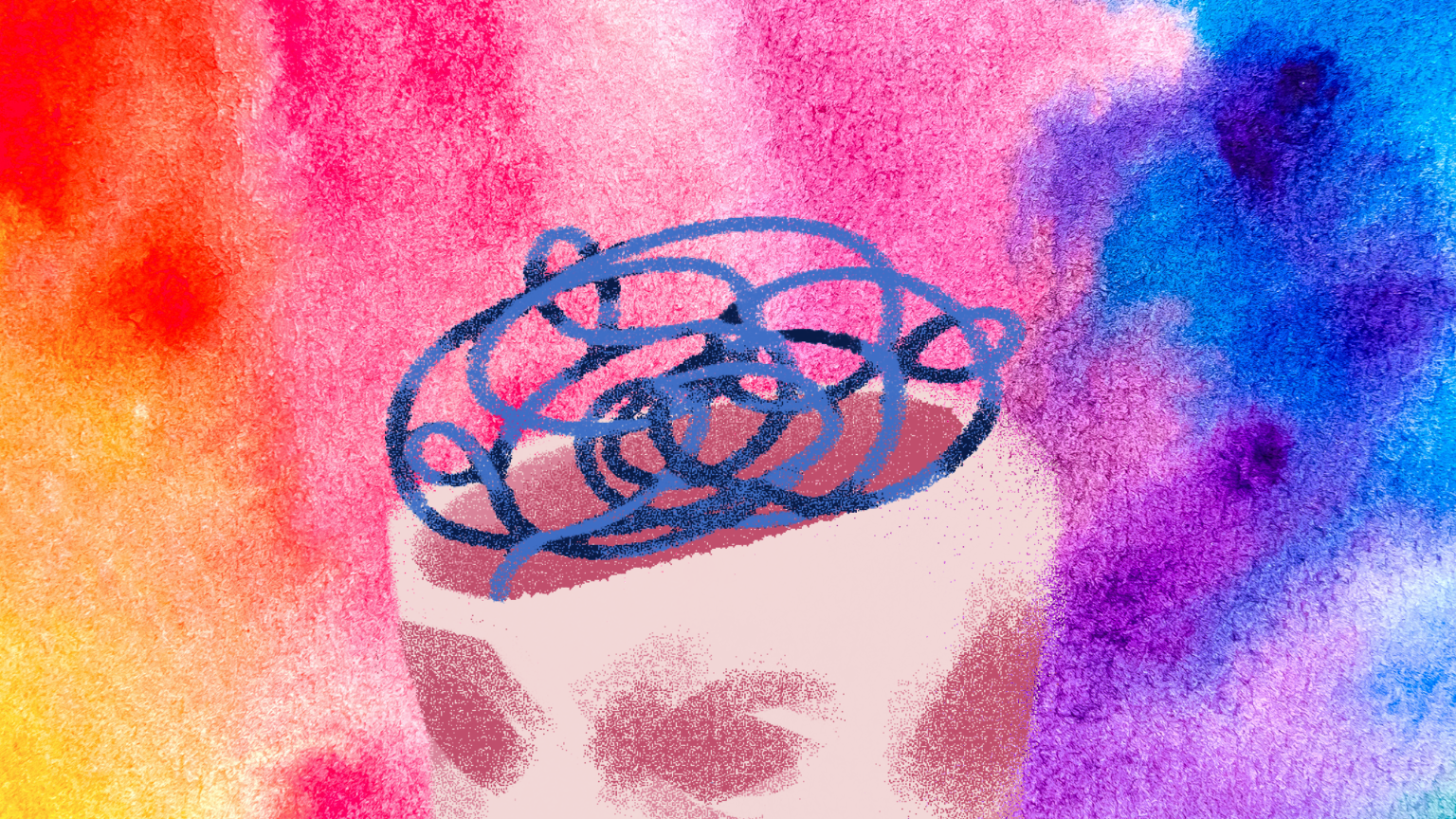
Your brain was not designed to hold joy. It was designed to keep you alive. For millions of years, its job was to scan for danger, store painful experiences like Velcro, and drive you toward safety. It was extraordinarily good at that job. The problem is that left on autopilot in the modern world, that same brain will quietly build a life defined by threat management and exhaustion, and it will feel completely normal because it is running the program it has always run.
This is why the moment something genuinely good happens, some part of you is already looking for the catch. It is not a character flaw. It is your amygdala doing a risk assessment. When I sat down with neuroscientist and behavioural psychologist Natasha Sheyenne on the Finding Joy podcast, she described joy as one of the most vulnerable emotional states we experience, and I have believed that intuitively for a long time. Brené Brown’s research points to the same thing. The sabre-toothed tiger is not coming, but the brain does not know that, and so the second we feel that warm, floating sense of everything being okay right now, the threat-scanning apparatus kicks in and starts asking what we might be missing.
Understanding that pattern does not fix it. But it does change how we relate to it.
What Natasha offered is simple: when you notice a moment of joy, pause for 15 seconds. Don’t rush. Don’t look for the catch. By simply letting it land for just 15 seconds, you are literally rewiring your brain.
I called this going to the joy gym in our conversation. You are building a muscle. The grooves get deeper with use.
I loved learning more about the relationship between joy and meaning, because we often conflate joy with lightness, with ease, and things going well.
In my own experience, some of the most profound joy I have ever felt arrived in the darkest seasons, and I could never fully explain it or understand the neuroscience behind it. Our brains are meaning-making machines, constantly asking what is important here, what does this mean, why does this matter so much? When we can sit with a heavy feeling and recognize that its weight is evidence of something that mattered, there is a kind of joy in that. Not always the effervescent, laughing kind, but something deeper and sustaining.
Grief, even, as she put it, is a byproduct of having loved deeply. The heaviness is not the opposite of joy.
We tend to blame ourselves for biologically impossible events we can’t control. But neuroscience shows us we aren’t victims of our circumstances—we are the architects of our own neural pathways. You don’t have to wait for joy; you can build it.
Joy shared is joy squared. I have said that a hundred times. Now I know why it is true.
Natasha describes what the best life actually requires. Not the elimination of hardship. Not a permanent state of happiness, which is biologically impossible and, honestly, sounds exhausting. What the best life requires is teaching your nervous system that it is safe enough to open up, to try again, to hold the good for a few extra seconds before the brain moves on to the next threat.
That is the practice. Not a dramatic overhaul. Not a personality transplant. Just the repeated, quiet decision to stay with what is good for 15 seconds longer than you normally would.
Your brain is trainable. And it is waiting for you to take the wheel.
Sorry, the comment form is closed at this time.